Introduction: The Proposition of Free Bus Travel
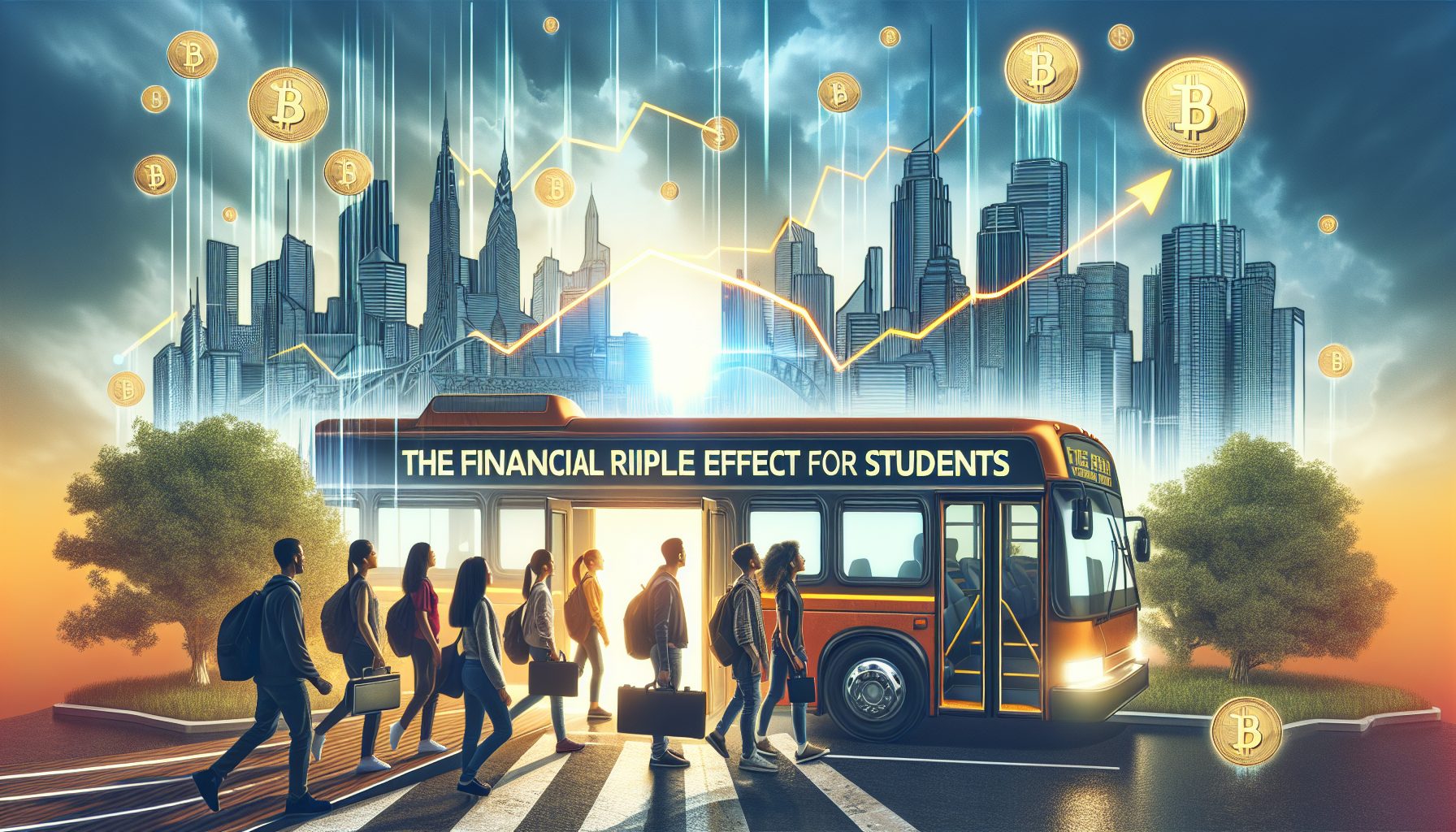
In recent discussions surrounding public transportation, the idea of providing free bus travel for all students has gained momentum. While the social benefits of such a proposal are evident, the financial implications present a complex picture. By examining the potential impact on public transit systems, municipal bonds, and broader economic indicators, we can better understand how this initiative might influence the market landscape.
The concept of free public transit is not new, yet its implementation on a broad scale, particularly for students, could lead to significant shifts in financial structures. Advocates argue that, much like libraries and parks, public transportation should be a universally accessible service, funded by taxpayers (Metro Transit experimenting with free fares on two bus routes to win…). However, the transition to free student travel would require careful financial planning and analysis.
Impact on Public Transportation Systems and Municipal Bonds
Public transportation systems around the world have experimented with free fare models, often with mixed results. According to research, offering free travel passes to specific social sectors, including students, is already a common practice in some regions (Public transport – Wikipedia). These initiatives typically rely on increased government subsidies, raising questions about the impact on municipal bonds and public sector investments.
Municipal bonds are a critical tool for funding public infrastructure projects, including transportation. Introducing free travel for students would necessitate alternative funding sources to offset the loss of fare revenue. This could lead to increased issuance of bonds, potentially affecting interest rates and investor demand. As cities and municipalities navigate these financial waters, the stability and attractiveness of their bonds could be tested.
Additionally, the fiscal health of transit systems would be under scrutiny. Public entities might need to reassess their budgets, reallocating funds from other areas or increasing taxes to support free travel initiatives. The financial viability of these plans would be a key concern for investors and policymakers alike, as they balance social benefits against economic sustainability.
Economic Indicators and Consumer Spending Patterns
The introduction of free bus travel for students could have broader economic implications beyond the immediate impact on transportation systems. As noted in research, public transport improvements are linked to increased economic activity, both at the aggregate and household levels (Public transport investments as generators of economic and …). However, these benefits could be geographically imbalanced, favoring areas with robust transit infrastructure.
In regions where free student travel is implemented, we might expect shifts in consumer spending patterns. Households could reallocate funds previously spent on transportation towards other goods and services, potentially boosting local economies. This change could be reflected in increased retail sales and heightened economic activity in sectors that benefit from discretionary spending.
From a macroeconomic perspective, the initiative could influence key indicators such as GDP and employment rates. By facilitating easier access to education and reducing transportation costs, free travel for students might contribute to a more educated workforce, enhancing productivity and economic growth. However, these effects would need to be carefully monitored to ensure they materialize as intended.
Market Implications for Businesses and Investors
For businesses and investors, the potential implementation of free bus travel for students presents both opportunities and challenges. Companies involved in public transportation infrastructure and services might see shifts in revenue streams, necessitating strategic adjustments. As public funds are reallocated, businesses providing transit-related services could experience changes in demand, impacting their financial performance.
Investors, particularly those focused on municipal bonds and public sector investments, would need to closely monitor developments in this area. The financial health of municipalities and their ability to sustain bond payments could hinge on the successful implementation of free travel initiatives. As cities adapt to these changes, investors might seek opportunities in regions that effectively manage the transition, while remaining cautious of those facing fiscal challenges.
Moreover, the broader economic impacts on consumer spending and market growth could influence investment strategies. Firms that stand to benefit from increased consumer spending might become more attractive to investors, while those reliant on traditional transportation revenue streams could face headwinds.
Conclusion: Navigating the Financial Landscape
As policymakers and stakeholders consider the feasibility of free bus travel for students, the financial implications must be carefully weighed. The potential benefits of increased accessibility and economic growth are significant, yet the challenges of funding and implementation cannot be overlooked. By examining the intersections of public transit systems, municipal bonds, and economic indicators, we can better understand the potential impact on businesses and investors.
Ultimately, the success of such initiatives will depend on the ability of cities and regions to balance social objectives with financial sustainability. As the conversation continues, stakeholders will need to engage in thoughtful analysis and strategic planning to navigate the complex financial landscape.
Works Cited
– Public transport – Wikipedia. https://en.wikipedia.org/wiki/Public_transport. Accessed via Web Search.
– Metro Transit experimenting with free fares on two bus routes to win…. https://www.startribune.com/free-bus-fare-metro-transit-pilot-two-routes-to-win-back-riders-cost/600286879. Accessed via Web Search.
– Public transport investments as generators of economic and …. https://www.sciencedirect.com/science/article/pii/S221414052500009X. Accessed via Web Search.